This guide covers Hydra Launcher , an open-source game manager that aggregates download sources (often for pirated games or repacks) and offers a premium Hydra Cloud service for profile syncing. 1. Getting Started with Hydra Launcher Hydra does not host games itself; it is a catalog that indexes external repositories provided by the community. Download : Get the latest version from the official GitHub repository or hydralauncher.gg. Installation : Run the installer and complete the setup. If the launcher fails to load, users often fix it by deleting the hydra and hydralauncher folders in %appdata% . 2. Adding Download Sources (Links) To see games in the library, you must manually add "Sources" or "Links" from trusted repackers (e.g., FitGirl, DODI). How to add : Navigate to Settings in the launcher. Find the Sources or Download Sources section. Paste the URL of a community-maintained JSON link or repository. Click Add or Install on Hydra . Validation : After adding, the launcher may take a moment to "validate" the link before games appear in the catalog. 3. Hydra Cloud Subscription Hydra Cloud is an optional paid service (approx. R$ 9,99/month ) that unlocks meta-features for your gaming profile. Cloud Saves : Automatically backs up game progress and achievements to the cloud. Profile Customization : Access to exclusive animated avatars, custom banners, and "First Look" access to new features. Cross-Device Sync : Access your library and stats on any device where you log in. 4. Troubleshooting Common Issues Empty Catalog : This usually means your source links are broken or haven't been added yet. Validation Loop : If the launcher hangs on "validating," try restarting the app as an administrator or clearing the %appdata% cache. Slow Downloads : Since Hydra uses external links (often torrents), download speeds depend on the specific source's health/seeders. Caution : Because Hydra aggregates third-party links, always ensure you are using reputable sources to avoid security risks like malware.
This report examines "Hydra Links Cloud" primarily in the context of the Hydra Launcher ecosystem, an open-source gaming platform, while also noting secondary business-oriented cloud services under the same name. 1. Overview of Hydra Links Cloud In the current technology landscape, Hydra Links Cloud most commonly refers to a specific repository and subscription service associated with Hydra Launcher , an open-source video game management tool. Hydralinks.cloud : This domain serves as a community-driven repository for "JSON links" or download sources. Users add these links to the Hydra Launcher to enable it to search and index games across various trackers and repackers. Hydra Cloud Subscription : A paid tier ( 9.99) that provides premium features for the launcher, such as cross-device save synchronization and enhanced social profiles. 2. Core Features (Gaming Ecosystem) The "Cloud" component of Hydra is designed to modernize the user experience for those using distributed or non-centralized game sources. Cloud Saving : Automatically backs up game progress and saves, allowing users to resume their games on different devices. Library Synchronization : Keeps the user's game library, achievements, and play-time statistics consistent across multiple installations. Customizable Profiles : Offers animated avatars, banners, and anime-style profile customization for the community. First Look Access : Subscribers receive early access to new features before they are released to the general public. 3. Technical Architecture & Safety The platform is built on an open-source framework, typically hosted on Self-Sufficiency : The launcher uses its own private torrent protocol to facilitate direct downloads without relying on a central server for game hosting. Community Links : The "links" aspect refers to JSON-formatted metadata that tells the client where to find game files on the web. Users can create and share their own source lists. Safety Concerns : While the launcher itself is open-source and generally considered safe by its community, the "Hydralinks" sources it connects to are third-party and should be used with caution. 4. Alternative "Hydra Cloud" Entities Beyond gaming, "Hydra Cloud" refers to several distinct professional services: Overview - Hydra Cloud
, an open-source game launcher designed to aggregate various gaming sources and provide features like cloud saves and social profiles. What is Hydra Launcher? Hydra Launcher is an open-source tool built with Node.js, Electron, React, and Python that aims to be a comprehensive game management platform. It is widely known for: Source Aggregation : It allows users to add "sources" (JSON links) that the launcher uses to search for and download games from various community-vetted or individual providers. Platform Support : It is compatible with Windows, Linux, and macOS. Steam Deck Compatibility : Many users utilize it on the Steam Deck to manage portable versions of games and track achievements. Hydra Cloud Features "Hydra Cloud" is a premium subscription tier ( 9,99) for the launcher that enhances the standard experience with several exclusive features: Cloud Saving : Seamlessly synchronizes game saves across multiple devices so you can resume your progress anywhere. Profile Customization : Access to animated avatars, custom banners, and a more personalized public presence within the Hydra ecosystem. Achievement Backup : Automatically backs up your unlocked achievements to the cloud. Early Access & Priority Support : Subscribers get "First Look" access to new features and priority assistance from community managers. Safety and the hydralinks.cloud The domain hydralinks.cloud is a central hub where the community shares JSON links for various game sources. While the launcher itself is open-source and generally considered safe, users on community forums like
ecosystem, a premium feature set integrated with the open-source Hydra Launcher . It is designed to modernize the gaming experience by centralizing progress and resources through a decentralized, community-driven framework. The Multi-Headed Evolution: Exploring the Hydra Links Cloud Ecosystem In the modern digital landscape, the "Hydra" moniker is frequently used to describe architectures that are resilient, multi-faceted, and decentralized. One of the most prominent applications of this concept is found in the Hydra Launcher , a modern game management platform that leverages Hydra Links Hydra Cloud to offer an alternative to traditional, centralized storefronts like Steam or Epic Games. 1. Decentralization as a Core Tenet At its heart, the Hydra ecosystem is built on the principle of decentralization. While traditional launchers act as gatekeepers to a company's own servers, Hydra uses a "links" system—often referred to as Hydra Links —to aggregate game sources from across the web. These links represent a community-driven repository where users can find and manage their game libraries without being tethered to a single corporate entity. This approach mirrors the legendary Greek Hydra: if one source or "head" is removed, several others remain, ensuring the library's longevity and accessibility. 2. Hydra Cloud: The Glue of Continuity While the links provide the content, the Hydra Cloud provides the infrastructure for a seamless user experience. The primary function of this cloud layer is to synchronize game progress and achievements across multiple devices. Traditionally, cloud saving has been a luxury tied to specific paid platforms. By integrating a cloud-based save system directly into an open-source launcher, Hydra enables gamers to maintain their digital history and save files regardless of where the game was originally sourced. 3. Security and Community Trust The decentralized nature of hydralinks.cloud —the primary repository for these sources—often raises questions regarding security. Because the platform relies on third-party contributions and torrent protocols, the community plays a vital role in vetting links. This "neighborhood watch" model of security is a hallmark of open-source projects, where transparency in the code allows for collective auditing to ensure that the "links" provided remain safe and functional for the broader user base. 4. Technical Versatility Beyond gaming, the "Hydra" architecture is a broader technical concept used in cloud computing to describe brokering systems. In high-performance computing (HPC) and research, Hydra middleware is used to manage workloads across heterogeneous environments, such as combining public clouds with private supercomputers. Whether in gaming or scientific research, the "Hydra" approach emphasizes the ability to link disparate resources into a unified, manageable interface. Conclusion The Hydra Links Cloud represents a significant shift toward user-owned data and decentralized resource management. By uncoupling the game launcher from the game seller and providing a universal cloud layer for saves, it empowers users to control their digital lives. As the digital world moves further away from monolithic silos, multi-headed architectures like Hydra are likely to become the new standard for resilience and flexibility. of the Hydra Launcher or a more theoretical analysis of decentralized cloud architectures?
The primary role of the Hydra Links repository is to provide the "heads" for the Hydra Launcher. Decentralized Indexing : It acts as a repo for community-maintained download sources, often including repacks from groups like FitGirl or DODI. Game Management : By linking these sources to the launcher, it allows users to track achievements, monitor playtime, and manage their library through the Hydra Launcher . Metadata Synchronization : The cloud infrastructure ensures that game information, such as cover art and descriptions, is consistently available to the client. Technical Architecture and Safety As an open-source project written in Node.js, Python, and Rust, Hydra is designed for high performance and community transparency. Safety Concerns : Discussions on Reddit indicate that while the repository itself is a index for download sources, its safety is tied to the integrity of the community-provided links it hosts. Open Source Advantage : The launcher's source code is publicly available on GitHub for security audits.
What is Hydra Links Cloud? As of my last update, I don't have specific information on "Hydra Links Cloud." It's possible that it's a service or product related to cloud computing, data storage, or a similar technology sector. Companies and developers frequently launch new services with names like this, especially in the rapidly evolving cloud and data management spaces. Possible Interpretations
Cloud Storage Service : It could be a cloud storage service that offers secure data storage, synchronization, and sharing. Services like Google Drive, Dropbox, and Microsoft OneDrive come to mind, but Hydra Links Cloud doesn't directly correspond with major known services.
Data Management Platform : Alternatively, it might be a platform focused on data management, offering tools for linking, managing, and analyzing data in the cloud.
Cybersecurity : There's also a possibility that Hydra Links Cloud relates to cybersecurity, with "Hydra" evoking the idea of a multi-headed serpent, suggesting a robust defense against various types of cyber threats.
Report on Hydra Links Cloud Without specific details, a report on Hydra Links Cloud could involve:
Overview : A general introduction to what Hydra Links Cloud is, its purpose, and its main features. Market Position : An analysis of where Hydra Links Cloud stands in the market, including its target audience and competitors. Security Features : A deep dive into its security measures, data protection policies, and compliance with relevant regulations (e.g., GDPR, HIPAA). User Reviews and Feedback : Real-world feedback from users, highlighting strengths and areas for improvement. Technical Specifications : Details on its infrastructure, scalability, and integration capabilities with other services.
How to Get More Information
This guide covers Hydra Launcher , an open-source game manager that aggregates download sources (often for pirated games or repacks) and offers a premium Hydra Cloud service for profile syncing. 1. Getting Started with Hydra Launcher Hydra does not host games itself; it is a catalog that indexes external repositories provided by the community. Download : Get the latest version from the official GitHub repository or hydralauncher.gg. Installation : Run the installer and complete the setup. If the launcher fails to load, users often fix it by deleting the hydra and hydralauncher folders in %appdata% . 2. Adding Download Sources (Links) To see games in the library, you must manually add "Sources" or "Links" from trusted repackers (e.g., FitGirl, DODI). How to add : Navigate to Settings in the launcher. Find the Sources or Download Sources section. Paste the URL of a community-maintained JSON link or repository. Click Add or Install on Hydra . Validation : After adding, the launcher may take a moment to "validate" the link before games appear in the catalog. 3. Hydra Cloud Subscription Hydra Cloud is an optional paid service (approx. R$ 9,99/month ) that unlocks meta-features for your gaming profile. Cloud Saves : Automatically backs up game progress and achievements to the cloud. Profile Customization : Access to exclusive animated avatars, custom banners, and "First Look" access to new features. Cross-Device Sync : Access your library and stats on any device where you log in. 4. Troubleshooting Common Issues Empty Catalog : This usually means your source links are broken or haven't been added yet. Validation Loop : If the launcher hangs on "validating," try restarting the app as an administrator or clearing the %appdata% cache. Slow Downloads : Since Hydra uses external links (often torrents), download speeds depend on the specific source's health/seeders. Caution : Because Hydra aggregates third-party links, always ensure you are using reputable sources to avoid security risks like malware.
This report examines "Hydra Links Cloud" primarily in the context of the Hydra Launcher ecosystem, an open-source gaming platform, while also noting secondary business-oriented cloud services under the same name. 1. Overview of Hydra Links Cloud In the current technology landscape, Hydra Links Cloud most commonly refers to a specific repository and subscription service associated with Hydra Launcher , an open-source video game management tool. Hydralinks.cloud : This domain serves as a community-driven repository for "JSON links" or download sources. Users add these links to the Hydra Launcher to enable it to search and index games across various trackers and repackers. Hydra Cloud Subscription : A paid tier ( 9.99) that provides premium features for the launcher, such as cross-device save synchronization and enhanced social profiles. 2. Core Features (Gaming Ecosystem) The "Cloud" component of Hydra is designed to modernize the user experience for those using distributed or non-centralized game sources. Cloud Saving : Automatically backs up game progress and saves, allowing users to resume their games on different devices. Library Synchronization : Keeps the user's game library, achievements, and play-time statistics consistent across multiple installations. Customizable Profiles : Offers animated avatars, banners, and anime-style profile customization for the community. First Look Access : Subscribers receive early access to new features before they are released to the general public. 3. Technical Architecture & Safety The platform is built on an open-source framework, typically hosted on Self-Sufficiency : The launcher uses its own private torrent protocol to facilitate direct downloads without relying on a central server for game hosting. Community Links : The "links" aspect refers to JSON-formatted metadata that tells the client where to find game files on the web. Users can create and share their own source lists. Safety Concerns : While the launcher itself is open-source and generally considered safe by its community, the "Hydralinks" sources it connects to are third-party and should be used with caution. 4. Alternative "Hydra Cloud" Entities Beyond gaming, "Hydra Cloud" refers to several distinct professional services: Overview - Hydra Cloud
, an open-source game launcher designed to aggregate various gaming sources and provide features like cloud saves and social profiles. What is Hydra Launcher? Hydra Launcher is an open-source tool built with Node.js, Electron, React, and Python that aims to be a comprehensive game management platform. It is widely known for: Source Aggregation : It allows users to add "sources" (JSON links) that the launcher uses to search for and download games from various community-vetted or individual providers. Platform Support : It is compatible with Windows, Linux, and macOS. Steam Deck Compatibility : Many users utilize it on the Steam Deck to manage portable versions of games and track achievements. Hydra Cloud Features "Hydra Cloud" is a premium subscription tier ( 9,99) for the launcher that enhances the standard experience with several exclusive features: Cloud Saving : Seamlessly synchronizes game saves across multiple devices so you can resume your progress anywhere. Profile Customization : Access to animated avatars, custom banners, and a more personalized public presence within the Hydra ecosystem. Achievement Backup : Automatically backs up your unlocked achievements to the cloud. Early Access & Priority Support : Subscribers get "First Look" access to new features and priority assistance from community managers. Safety and the hydralinks.cloud The domain hydralinks.cloud is a central hub where the community shares JSON links for various game sources. While the launcher itself is open-source and generally considered safe, users on community forums like
ecosystem, a premium feature set integrated with the open-source Hydra Launcher . It is designed to modernize the gaming experience by centralizing progress and resources through a decentralized, community-driven framework. The Multi-Headed Evolution: Exploring the Hydra Links Cloud Ecosystem In the modern digital landscape, the "Hydra" moniker is frequently used to describe architectures that are resilient, multi-faceted, and decentralized. One of the most prominent applications of this concept is found in the Hydra Launcher , a modern game management platform that leverages Hydra Links Hydra Cloud to offer an alternative to traditional, centralized storefronts like Steam or Epic Games. 1. Decentralization as a Core Tenet At its heart, the Hydra ecosystem is built on the principle of decentralization. While traditional launchers act as gatekeepers to a company's own servers, Hydra uses a "links" system—often referred to as Hydra Links —to aggregate game sources from across the web. These links represent a community-driven repository where users can find and manage their game libraries without being tethered to a single corporate entity. This approach mirrors the legendary Greek Hydra: if one source or "head" is removed, several others remain, ensuring the library's longevity and accessibility. 2. Hydra Cloud: The Glue of Continuity While the links provide the content, the Hydra Cloud provides the infrastructure for a seamless user experience. The primary function of this cloud layer is to synchronize game progress and achievements across multiple devices. Traditionally, cloud saving has been a luxury tied to specific paid platforms. By integrating a cloud-based save system directly into an open-source launcher, Hydra enables gamers to maintain their digital history and save files regardless of where the game was originally sourced. 3. Security and Community Trust The decentralized nature of hydralinks.cloud —the primary repository for these sources—often raises questions regarding security. Because the platform relies on third-party contributions and torrent protocols, the community plays a vital role in vetting links. This "neighborhood watch" model of security is a hallmark of open-source projects, where transparency in the code allows for collective auditing to ensure that the "links" provided remain safe and functional for the broader user base. 4. Technical Versatility Beyond gaming, the "Hydra" architecture is a broader technical concept used in cloud computing to describe brokering systems. In high-performance computing (HPC) and research, Hydra middleware is used to manage workloads across heterogeneous environments, such as combining public clouds with private supercomputers. Whether in gaming or scientific research, the "Hydra" approach emphasizes the ability to link disparate resources into a unified, manageable interface. Conclusion The Hydra Links Cloud represents a significant shift toward user-owned data and decentralized resource management. By uncoupling the game launcher from the game seller and providing a universal cloud layer for saves, it empowers users to control their digital lives. As the digital world moves further away from monolithic silos, multi-headed architectures like Hydra are likely to become the new standard for resilience and flexibility. of the Hydra Launcher or a more theoretical analysis of decentralized cloud architectures? hydra links cloud
The primary role of the Hydra Links repository is to provide the "heads" for the Hydra Launcher. Decentralized Indexing : It acts as a repo for community-maintained download sources, often including repacks from groups like FitGirl or DODI. Game Management : By linking these sources to the launcher, it allows users to track achievements, monitor playtime, and manage their library through the Hydra Launcher . Metadata Synchronization : The cloud infrastructure ensures that game information, such as cover art and descriptions, is consistently available to the client. Technical Architecture and Safety As an open-source project written in Node.js, Python, and Rust, Hydra is designed for high performance and community transparency. Safety Concerns : Discussions on Reddit indicate that while the repository itself is a index for download sources, its safety is tied to the integrity of the community-provided links it hosts. Open Source Advantage : The launcher's source code is publicly available on GitHub for security audits.
What is Hydra Links Cloud? As of my last update, I don't have specific information on "Hydra Links Cloud." It's possible that it's a service or product related to cloud computing, data storage, or a similar technology sector. Companies and developers frequently launch new services with names like this, especially in the rapidly evolving cloud and data management spaces. Possible Interpretations
Cloud Storage Service : It could be a cloud storage service that offers secure data storage, synchronization, and sharing. Services like Google Drive, Dropbox, and Microsoft OneDrive come to mind, but Hydra Links Cloud doesn't directly correspond with major known services. This guide covers Hydra Launcher , an open-source
Data Management Platform : Alternatively, it might be a platform focused on data management, offering tools for linking, managing, and analyzing data in the cloud.
Cybersecurity : There's also a possibility that Hydra Links Cloud relates to cybersecurity, with "Hydra" evoking the idea of a multi-headed serpent, suggesting a robust defense against various types of cyber threats.
Report on Hydra Links Cloud Without specific details, a report on Hydra Links Cloud could involve: Download : Get the latest version from the
Overview : A general introduction to what Hydra Links Cloud is, its purpose, and its main features. Market Position : An analysis of where Hydra Links Cloud stands in the market, including its target audience and competitors. Security Features : A deep dive into its security measures, data protection policies, and compliance with relevant regulations (e.g., GDPR, HIPAA). User Reviews and Feedback : Real-world feedback from users, highlighting strengths and areas for improvement. Technical Specifications : Details on its infrastructure, scalability, and integration capabilities with other services.
How to Get More Information

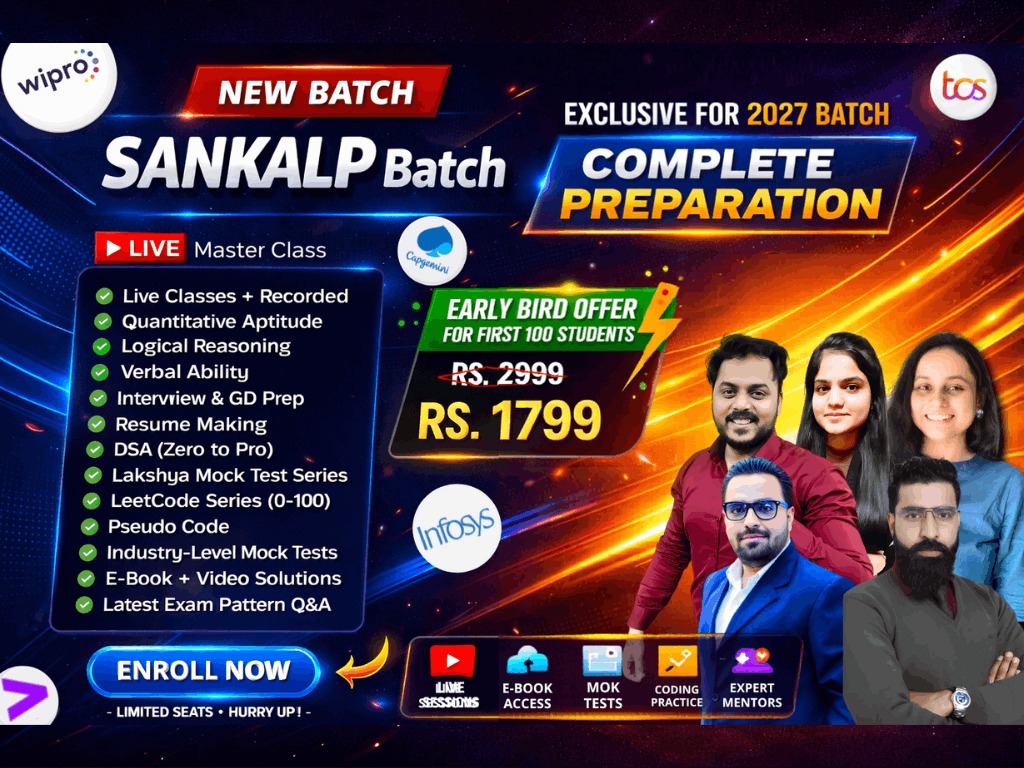
TCS + All Companies Preparation (Complete Placement Program)
Enroll Now