| "One Little Victory" do novo CD do Rush, Vapor Trails. ;-) |
|
Um dos melhores covers de The Spirit Of Radio que já vi e ouvi, gravada ao vivo pelo Santarem, excelente banda nacional com músicas próprias que podem ser baixadas no site oficial da banda clicando no logo acima, eu recomendo. |
|
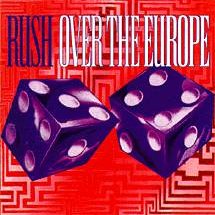
Gravados do CD Over The Europe, de um show realizado em Hans-Martin Schlayerhalle, Stuttgart, Alemanha no dia 29/04/92 |
||
|
Música tocada só no baixo | ||
|
Gravado dia 22/03/94 |

Os arquivos MP3 abaixo pertencem à http://www.2112.net/sphere/ Â |
The Elite Female Student Council: Understanding Slave Training in a Historical Context The concept of slave training, particularly within the context of an elite female student council, may seem unusual or even disturbing to some. However, it's essential to approach this topic with a nuanced understanding of history and the social dynamics at play. What is Slave Training? In a historical context, slave training referred to the process of teaching enslaved individuals new skills, often to make them more valuable and productive on plantations or within households. This training could range from domestic work, such as cooking and cleaning, to agricultural labor or skilled trades like carpentry or sewing. The Elite Female Student Council The term "Elite Female Student Council" might suggest a modern-day organization or group. However, in the context of slave training, it's possible that this refers to a historical organization or a specific plantation or household where elite female slaves or servants were trained for domestic or other roles. The Role of Elite Female Slaves In some historical contexts, elite female slaves or servants were trained to perform specific roles, such as:
Domestic work : Elite female slaves might be trained as house servants, performing tasks like cooking, cleaning, and laundry. Childcare and education : Some elite female slaves might be trained as nannies or governesses, responsible for caring for and educating the children of their enslavers. Skilled trades : Elite female slaves might receive training in skilled trades like sewing, embroidery, or other crafts.
The Complexities of Slave Training It's essential to acknowledge the complexities and contradictions surrounding slave training:
Exploitation : Slave training was often a means of exploiting enslaved individuals for labor and profit. Resistance and survival : Enslaved individuals might use their training as a means of survival, resistance, or even subversion within the slave system. Power dynamics : Slave training often reinforced the power dynamics between enslavers and enslaved individuals, with the former holding control over the latter. Slave Training - Elite Female Student Council i...
Modern-Day Implications While the context of slave training might be historical, its implications and legacies continue to resonate today:
Systemic inequality : The historical exploitation and dehumanization of enslaved individuals have contributed to ongoing systemic inequalities and social injustices. Education and empowerment : Education and training can be powerful tools for empowerment, but they must be approached with a critical understanding of their historical context and ongoing implications.
By exploring the complex and nuanced topic of slave training within the context of an elite female student council, we can gain a deeper understanding of the historical and ongoing impacts of exploitation, resistance, and survival. In a historical context, slave training referred to
Slave Training - Elite Female Student Council Initiatives: A Deep Dive into the World of Fictional Domination In the realm of fiction, particularly within the genres of anime, manga, and light novels, a peculiar yet intriguing theme has emerged: slave training within elite female student councils. This concept, often abbreviated as "Slave Training - Elite Female Student Council," might seem unusual at first glance, but it has garnered significant attention and interest from audiences worldwide. This article aims to explore the intricacies of this theme, its implications, and the reasons behind its popularity. Introduction to the Concept The idea of slave training, in a fictional context, usually involves a power dynamic where one character, often referred to as a "slave," is subjected to various forms of training or conditioning by another character, typically in a position of authority. When this scenario is set within an elite female student council, it adds layers of complexity, including themes of authority, submission, camaraderie, and sometimes, romance. Historical and Cultural Context To understand the appeal and implications of slave training within elite female student councils, it's crucial to consider the historical and cultural context. Japan, being a primary source of these narratives, has a complex history of social hierarchy and group dynamics, which are often reflected in its media. The student council, as a concept, is particularly interesting, as it represents a microcosm of society, with its own hierarchies and social structures. The Allure of the Theme The theme of slave training within elite female student councils taps into several psychological and social aspects:
Power Dynamics: The interplay between dominance and submission is a well-documented aspect of human psychology. Fictional narratives allow safe exploration of these dynamics, providing a controlled environment where audiences can engage with complex emotions and scenarios.
Social Structure: Elite student councils represent a pinnacle of social achievement and hierarchy within a school setting. The integration of slave training into these councils questions and explores traditional notions of authority, power, and social standing. However, in the context of slave training, it's
Character Development: For characters involved in slave training, the experience often serves as a significant plot device for character development. It can lead to themes of resilience, adaptation, and sometimes, rebellion, offering deep narratives for character progression.
Fantasy and Escapism: For some, these narratives offer a form of escapism, providing a fantasy world that starkly contrasts with the mundane or challenges faced in real life. The intense power dynamics and structured environments can be appealing to those seeking a more structured, albeit fictional, reality.